
2-1 Buydown: Costs, Rules, and When It Helps
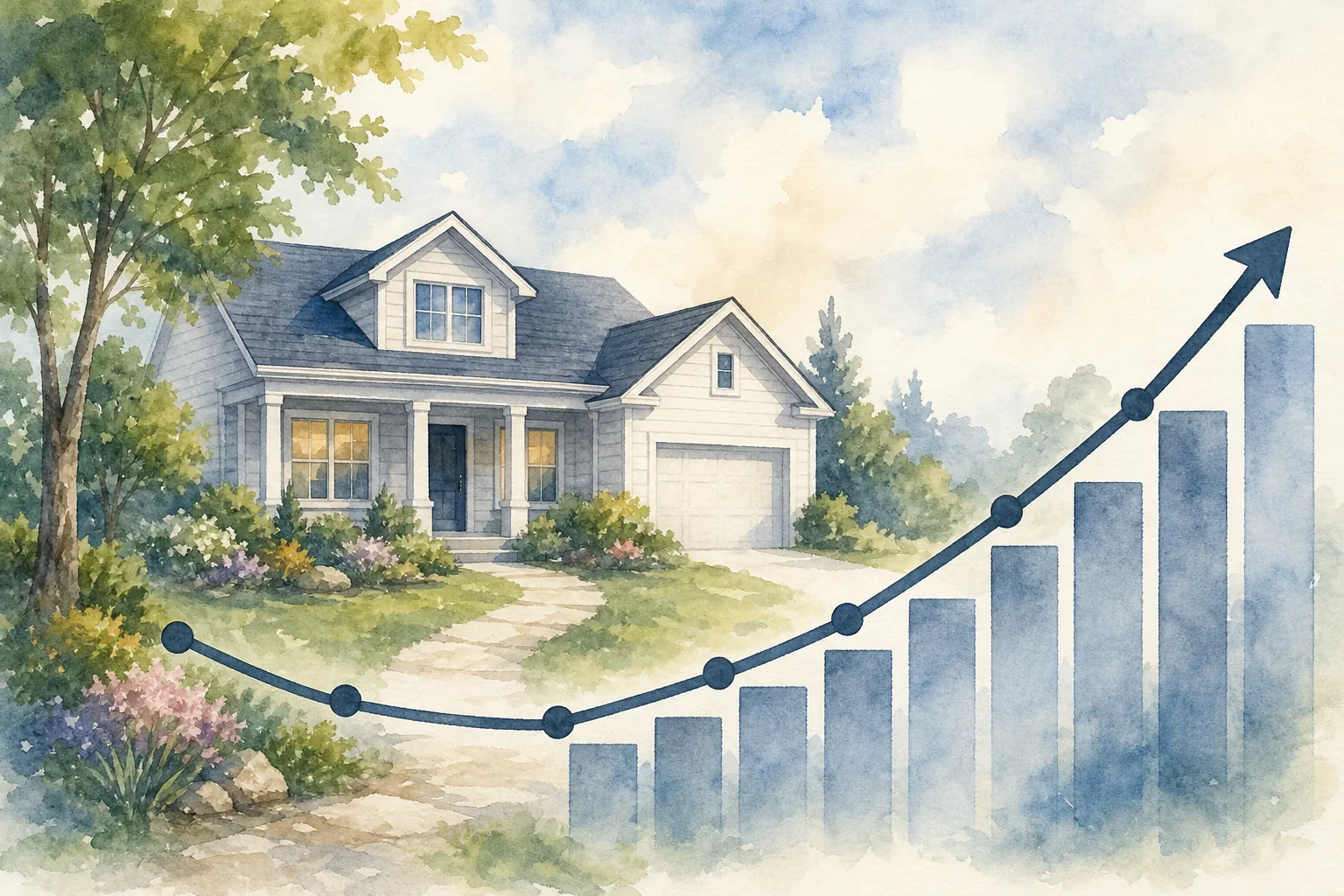
Looking at a mortgage that eases you into payments? A 2-1 buydown drops the rate 2 % the first year and 1 % the second, then settles at the note rate. Below you’ll find the mechanics, cost breakdown, and the buyer scenarios where it actually adds value.
What Is a 2-1 Buydown?
A 2-1 buydown is a financing structure that temporarily reduces your interest rate , 2 % below the locked‑in note rate in year 1 and 1 % below in year 2. After the two‑year period the loan reverts to the full note rate for the rest of the term. The reduction is funded upfront, usually by the seller or builder, and sits in an escrow account that subsidizes your monthly payment.
Buydowns are most useful when rates are high and a buyer needs breathing room to settle in. They let you enjoy a lower payment while you finish moving, furnish, or wait for a potential refinance.
Guild Mortgage explains that a 2-1 buydown works best when the buyer expects higher income or plans to refinance within a few years. In a seller-paid model, the seller’s concession covers the upfront cost, so the buyer can receive the monthly savings without an additional out-of-pocket expense.
Notice: The buydown does not change the loan’s principal balance. It simply offsets part of the monthly payment for two years.
How the 2-1 Buydown Payment Schedule Works
During the buydown period the escrow account pays the difference between the reduced‑rate payment and the full‑rate payment. Once the escrow runs out, your payment jumps to the note‑rate amount.
| Year | Effective Rate | Monthly P&I* | Monthly Savings vs Note |
|---|---|---|---|
| 1 | 5 % (2 % below 7 % note) | Varies | Varies |
| 2 | 6 % (1 % below 7 % note) | Varies | Varies |
| 3‑30 | 7 % (full note) | Varies | — |
*Principal & interest only; taxes, insurance, HOA fees are extra.
The total subsidy, the sum of the monthly differences over the first two years, varies with the loan amount and note rate. A buydown calculator can help you plug in your loan size and note rate to estimate the escrow requirement.
Notice: If you refinance before the buydown ends, any unused escrow money can be applied toward the new loan balance.
Who Pays for a 2-1 Buydown and How Much Does It Cost?
In most Austin deals the seller or builder fronts the subsidy as a concession. The cost shows up as part of the purchase price or as a separate seller credit, subject to the loan‑program caps (3 %‑9 % of the price depending on down payment).
On a given loan, the seller’s contribution depends on the loan amount, note rate, and difference between the temporary and full payments. A buydown may deliver monthly relief during the first two years, while a price cut changes the purchase price instead. A buyer‑funded buydown is usually less efficient than buying discount points because points reduce the rate for the life of the loan.
Because lenders still qualify you on the full note rate, the buydown never inflates your borrowing power. It simply shifts cash from the seller into a temporary payment subsidy.
Notice: If the seller’s concession exceeds the allowable limit for your loan type, the excess must be taken out of the buyer’s cash‑to‑close.
When a 2-1 Buydown Can Make Sense for an Austin Buyer
Buyers who expect their income to rise, plan to refinance within 18‑24 months, or need lower cash outflow right after closing find the most value.
In a high‑rate market, a seller-funded buydown can generate more monthly relief than an equivalent price cut. The savings vary by loan amount and note rate, while a comparable price cut may trim the payment by $41 each month.
New-construction builders in Austin’s suburbs (Kyle, Buda, Leander) may advertise 2-1 buydowns as a way to move inventory, especially when listings sit on the market for 60+ days.
When you’re buying a fixer‑upper and need cash for updates, the early cash‑flow boost can be a real advantage. If you’re locking in a rate that you expect to be lower in a year, the buydown gives you a cushion while you wait for the market to shift.
Notice: If you plan to stay in the home for more than five years without refinancing, a permanent discount point usually beats a 2‑1 buydown on total interest saved.
For a deeper look at Austin‑specific closing costs that affect how much room you have for a seller concession, check The Complete Austin Closing Cost Guide for Buyers. It breaks down the typical 2‑5 % range of fees you’ll face at closing.
Risks, Restrictions, and Common 2-1 Buydown Mistakes
Loan guidelines generally require that any buydown funds come from an interested party (seller, builder, or lender) and that the borrower still qualify on the full note rate. The agreement must be part of the loan delivery paperwork, and the funds stay in a separate escrow account. Temporary‑rate buydown rules.
One common mistake is assuming the buydown eliminates the need to meet the full‑rate qualification. Lenders will still test you at the note rate, so the temporary payment relief does not mask an affordability gap.
Another pitfall is treating the buydown as a free lunch when the seller is already squeezing your offer price. If the seller reduces the price and adds a buydown, you may be paying twice for the same concession.
Buyers also forget the “payment shock” in year 3. The jump from a reduced payment to the full note rate can be steep , often a 20‑30 % increase , and it catches some borrowers off guard.
Finally, the buydown can be limited by loan‑type caps. Some loan programs, for instance, allow only seller-paid buydowns within their applicable concession limits, and the funds may not be used for other closing costs. Eligibility table.
Notice: If you refinance before the buydown expires, any unused escrow money is typically credited toward the new loan balance, turning the remaining subsidy into a cash‑out benefit.
For buyers considering assistance programs that might affect how much concession you can negotiate, see Austin Down Payment Assistance: 2026 Guide. It explains how assistance limits interact with seller‑paid buydowns.
Once you've settled on financing, run your expected property tax bill through my Austin Texas property tax calculator guide before finalizing your budget.
2-1 Buydown FAQ
What is the main benefit of a 2-1 buydown?
The main benefit is lower monthly principal‑and‑interest payments for the first two years, which can ease cash‑flow strain after closing.
Do I have to pay anything for a seller‑funded buydown?
No. When the seller funds the buydown, the cost is covered by a concession at closing, so you see the payment relief at no direct expense.
Can I refinance during the buydown period?
Yes. If you refinance before the buydown ends, any remaining escrow subsidy is usually applied toward the new loan balance, adding extra value.
How does a 2-1 buydown affect my loan qualification?
Lenders qualify you on the full note rate, not the reduced rate, so you must meet the debt‑to‑income and credit requirements as if the buydown never existed.
Is a 2-1 buydown right for long‑term homeowners?
Generally no. If you plan to stay more than five years without refinancing, permanent discount points typically save more money over the life of the loan.
What happens to the buydown funds if I sell the house during year 2?
The remaining subsidy is usually returned to the seller or applied toward the payoff, depending on the agreement signed at closing.
Conclusion
If you need short‑term payment relief and can refinance or expect higher income within two years, a 2‑1 buydown can be a smart tool. Talk to me, Robbie English, REALTOR, to see if a seller‑funded buydown fits your Austin purchase plan and to run the numbers on your specific loan.
Categories
- All Blogs (970)
- !!! (59)
- !x (621)
- Austin Real Estate (113)
- Bee Cave Real Estate (1)
- Building A Home (14)
- Buying A Home (143)
- Buying Land (1)
- Cedar Park Real Estate (58)
- Central Austin Real Estate (75)
- Down Payment Assistance Programs (1)
- Downsizing (4)
- Downtown Austin Real Estate (5)
- Dripping Springs Real Estate (62)
- East Austin Real Estate (3)
- Financing and Mortgage (24)
- first-time homebuying (109)
- Georgetown Real Estate (9)
- Hill Country Real Estate (1)
- HOA (2)
- Home Appraisals (13)
- Home For Rent (1)
- Home Inspections (6)
- Home Pricing (6)
- Home Staging (1)
- Home Values (12)
- Homeownership (1)
- Homes For Rent (1)
- Homes For Sale (147)
- Hutto Real Estate (5)
- Investing (6)
- Investment Properties (4)
- Lakeway Real Estate (33)
- Leander Real Estate (59)
- LGBT+ Real Estate (8)
- Luxury Homes For Sale (5)
- Luxury Real Estate (19)
- Market Conditions (17)
- Moving to Austin (2)
- Moving to Texas (4)
- Negotiations (3)
- Neighborhoods (8)
- Northwest Austin Real Estate (94)
- Off Market Listings (7)
- Pflugerville Real Estate (10)
- Private Listings (2)
- Property Management (42)
- Property Tax (3)
- Real Estate (18)
- Reddit Question Answered (80)
- redwrite (63)
- Relocation (2)
- Renting (6)
- Representation (34)
- Round Rock Real Estate (59)
- Selling Your Home (62)
- South Austin Real Estate (1)
- Westlake Real Estate (3)
Recent Posts