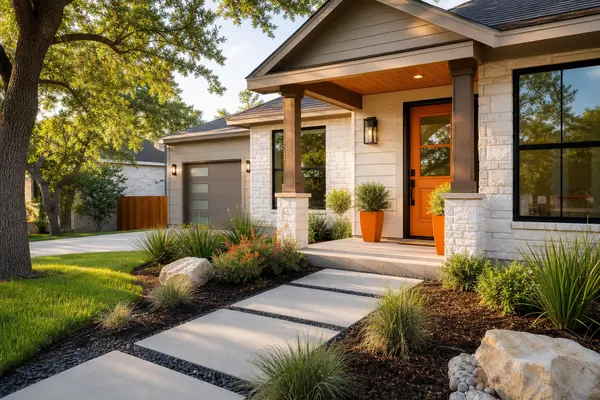
Great Hills Homes For Sale Is It A Good Place To Buy

Is Great Hills a good place to buy a home? For a lot of buyers, yes, but the honest answer depends on your budget, your priorities, and which part of the neighborhood you land in. Great Hills is an established, premium-priced pocket of Northwest Austin with real strengths and a few tradeoffs worth understanding before you commit. This guide walks through what defines the area, what homes cost, the schools, and who it fits best, so you can decide with clear eyes.
I am Robbie English, Broker, REALTOR at Uncommon Realty. I have helped many buyers weigh Northwest Austin neighborhoods against one another, and my aim here is to give you an honest picture of Great Hills rather than a sales pitch, so you can tell whether it is the right move for you.

Where Great Hills Is And What Defines It
Great Hills sits in the 78759 zip code in Northwest Austin, built into rolling, wooded hill-country terrain just off US-183. Its defining feature is the setting: mature trees, greenbelts, hiking trails, and a genuinely established feel, paired with the convenience of being next to the Arboretum, one of Austin's best-known outdoor shopping and dining centers. The neighborhood also surrounds the Great Hills Country Club, adding a golf-community element for those who want it.
That combination, natural beauty plus everyday convenience, is what gives Great Hills its character and its strong reputation. It feels tucked away and green while putting major retail, restaurants, and employers within easy reach. For buyers who want an established Northwest Austin address rather than new construction on the fringe, it is one of the area's standout choices.
The Homes: What To Expect And What They Cost
Great Hills is a premium market, and buyers should set expectations accordingly. Recent data puts the median home value in the neighborhood in the low-$800s, with listing prices often higher, and the overall range runs widely, from the low-$400s for smaller units up toward $1.8 million and beyond for larger estates. That makes it more expensive than the vast majority of Texas neighborhoods, so it suits buyers with a substantial budget.
The housing stock is largely established rather than brand-new, with many homes built in the 1980s and 1990s on generous, wooded lots, plenty of them updated over the years. You will also find condos and townhome communities such as the Arbor at Great Hills and the Fairway at Great Hills, plus lower-maintenance options like the Arboretum Park Cottages, which broaden the entry points into the area. Because condition and updates vary so much across an established neighborhood, evaluating each home carefully matters here.
That range is actually one of Great Hills' underrated strengths. A buyer in the low-$400s can find a condo or smaller home and get the same location, schools, and Arboretum access as someone spending well over a million on an estate. It means the neighborhood is not strictly reserved for the top of the market, though the single-family homes on the best lots and in the strongest school zones do command a premium. When you evaluate a specific home, weigh the age of the roof, HVAC, and systems, since an established home in Central Texas can carry deferred maintenance and, on the region's clay soils, foundation movement worth inspecting closely.
Schools: The Two-District Quirk
Here is the single most important thing to understand about Great Hills, and something many buyers miss: the neighborhood is split between two school districts. Part of Great Hills is served by Round Rock ISD, feeding into schools like Laurel Mountain Elementary, Canyon Vista Middle, and Westwood High, which is consistently ranked among the very best high schools in the state. Another part is served by Austin ISD, with campuses including Davis or Hill Elementary, Murchison Middle, and Anderson High.
This matters enormously, because two homes a few streets apart can feed into entirely different districts and schools, and that difference is a real value driver in the market. If schools are part of your decision, do not assume, confirm the exact district and campus assignments for the specific address before you make an offer. This is exactly the kind of detail that separates a well-informed purchase from an expensive surprise.
Location And Daily Convenience
Location is one of Great Hills' strongest selling points. Sitting just off US-183, the neighborhood puts residents within roughly six miles of major tech employers like Apple and IBM and about twelve miles from downtown Austin, with the Domain and its offices, dining, and entertainment close by as well. The adjacent Arboretum handles everyday errands, shopping, movies, and restaurants without a long drive.
For professionals working the Northwest Austin tech corridor, that access is a genuine advantage, and it is a big reason the area holds its value. As with anywhere near a major highway, homes closest to 183 can see more traffic and noise, so it is worth checking a specific home's position relative to the busy edges. For a broader look at the corridor, see my guide to the best Northwest Austin neighborhoods for professionals.
Daily life here leans toward convenience and the outdoors rather than a dense, walkable urban scene. The Arboretum and nearby centers cover shopping, dining, and entertainment, while the neighborhood's parks, trails, and golf give residents plenty to do close to home. It is the kind of place where you can handle most of your week without a long drive, yet downtown and the airport remain reachable when you want them. That balance of green, quiet residential streets with major amenities minutes away is a large part of the appeal, and something buyers relocating from denser cities tend to appreciate quickly.
The Honest Pros And Cons
On the plus side, Great Hills offers an established, scenic setting; strong location and employer access; excellent school options, especially on the Round Rock ISD side; abundant parks, trails, and golf; and the everyday convenience of the Arboretum next door. It is safe, leafy, and well-regarded, which supports durable demand and resale.
On the other side, it is a premium-priced area, so affordability is a real constraint for many buyers. Much of the housing stock is older, meaning some homes need updating and carry the maintenance realities of homes built decades ago. The two-district school split can confuse buyers who do not verify carefully. And portions near 183 trade some quiet for convenience. None of these are dealbreakers, but they are the honest tradeoffs to weigh.
The 2026 Market In Great Hills
The broader 2026 backdrop gives buyers more room than they had a few years ago. Across the Austin metro, inventory has loosened, homes are taking longer to sell, and price growth has cooled from the frenzy of the early 2020s, which means more negotiating room on price, closing costs, and repairs. Great Hills participates in that shift, though as an established, desirable area, well-priced homes in the strongest school zones still attract steady interest.
For a buyer, that combination is favorable: you have leverage to negotiate and time to do proper due diligence, while the neighborhood's durable demand protects your investment over the long run. The homes most likely to sit are those that are overpriced for their condition or school zone, which is precisely where a prepared, well-advised buyer can find value. Being fully pre-approved and ready to act on the right home still matters, but the pressure to overpay has eased considerably.
Who Great Hills Is Right For
Great Hills fits buyers who want an established, green Northwest Austin neighborhood with strong schools and easy access to tech employers and the Domain, and who have the budget for a premium area. It appeals to families targeting top school zones, professionals prioritizing a short commute, and buyers who value mature trees and character over brand-new construction. The condo and townhome communities also make it accessible to buyers who want the location with lower maintenance.
It is a weaker fit for buyers on a tight budget, those who specifically want new construction, or anyone who prefers a rural or acreage setting. If you need to be in central or south Austin daily, the commute may also argue against it. Being clear about which group you fall into answers most of the "is it right for me" question.
It is also worth comparing Great Hills honestly against its Northwest Austin neighbors before committing. Nearby areas offer different tradeoffs, some more affordable, some newer, some with a single, simpler school-district picture, and the right choice depends on which of those factors matters most to you. A buyer who prizes the top Round Rock ISD schools and an established setting may find Great Hills is exactly right, while one focused purely on getting the most square footage per dollar might do better a little further out. Weighing those alternatives side by side is the surest way to know you are choosing Great Hills for the right reasons rather than by default.
Price Positioning And Long-Term Value
Great Hills has held its appeal over time because the fundamentals that drive demand here are durable: a limited, established geography that cannot be replicated, strong schools, and a location wired into the Northwest Austin job base and the Arboretum. That combination tends to support steady resale demand, particularly for well-maintained homes in the strongest school zones.
As with anywhere, value is not automatic. Condition, updates, lot quality, and which school zone a home falls in all shape how quickly it sells and for how much. Buying with those factors in mind, and being realistic that this is a premium market, protects your investment. If you are weighing whether the budget works, my guide on whether you can buy a home in Northwest Austin under $900K is a useful companion, since Great Hills sits right around that threshold.
So, Is It A Good Place To Buy?
For buyers who can afford it and who value an established, convenient, school-strong Northwest Austin neighborhood, Great Hills is genuinely a good place to buy. The location, the setting, and the schools, especially on the Round Rock ISD side, make it a durable, desirable choice. The honest caveats are the premium prices, the older housing stock, and the need to verify the school district by address.
The real question is not whether Great Hills is good in the abstract, but whether it fits your budget, your commute, and your priorities. For many Northwest Austin buyers, the answer is yes; for others, a comparison with nearby areas makes more sense. That is a decision worth making deliberately rather than assuming either way.
Bringing It All Together
Great Hills earns its strong reputation through an established Hill Country setting, excellent location and employer access, top school options, and the convenience of the Arboretum, balanced against premium pricing and an older housing stock. If those strengths match what you want and the budget works, it is a smart place to own. The keys are to confirm the school district for any specific address, evaluate each established home's condition carefully, and buy with resale in mind.
If you are considering Great Hills, I am glad to help you compare specific homes and school zones, weigh it against nearby Northwest Austin options, and negotiate with confidence. You can browse current listings on my website or through my app as you start your search.
Written for buyers and sellers in the Greater Austin, Texas area by Robbie English, REALTOR, Broker at Uncommon Realty.

Categories
- All Blogs (895)
- !!! (36)
- !x (596)
- Austin Real Estate (91)
- Bee Cave Real Estate (1)
- Building A Home (13)
- Buying A Home (131)
- Buying Land (1)
- Cedar Park Real Estate (55)
- Central Austin Real Estate (75)
- Downsizing (3)
- Downtown Austin Real Estate (5)
- Dripping Springs Real Estate (61)
- East Austin Real Estate (3)
- Financing and Mortgage (18)
- first-time homebuying (103)
- Georgetown Real Estate (6)
- Hill Country Real Estate (1)
- HOA (1)
- Home Appraisals (12)
- Home For Rent (1)
- Home Inspections (6)
- Home Pricing (3)
- Home Values (11)
- Homeownership (1)
- Homes For Rent (1)
- Homes For Sale (147)
- Hutto Real Estate (1)
- Investing (1)
- Lakeway Real Estate (33)
- Leander Real Estate (58)
- LGBT+ Real Estate (8)
- Luxury Homes For Sale (4)
- Luxury Real Estate (19)
- Market Conditions (11)
- Moving to Texas (3)
- Negotiations (2)
- Neighborhoods (8)
- Northwest Austin Real Estate (93)
- Off Market Listings (6)
- Pflugerville Real Estate (6)
- Private Listings (2)
- Property Management (42)
- Property Tax (1)
- Real Estate (18)
- Reddit Question Answered (80)
- redwrite (63)
- Renting (6)
- Representation (34)
- Round Rock Real Estate (55)
- Selling Your Home (47)
- Westlake Real Estate (3)
Recent Posts