
How to Prepare Your House for Sale
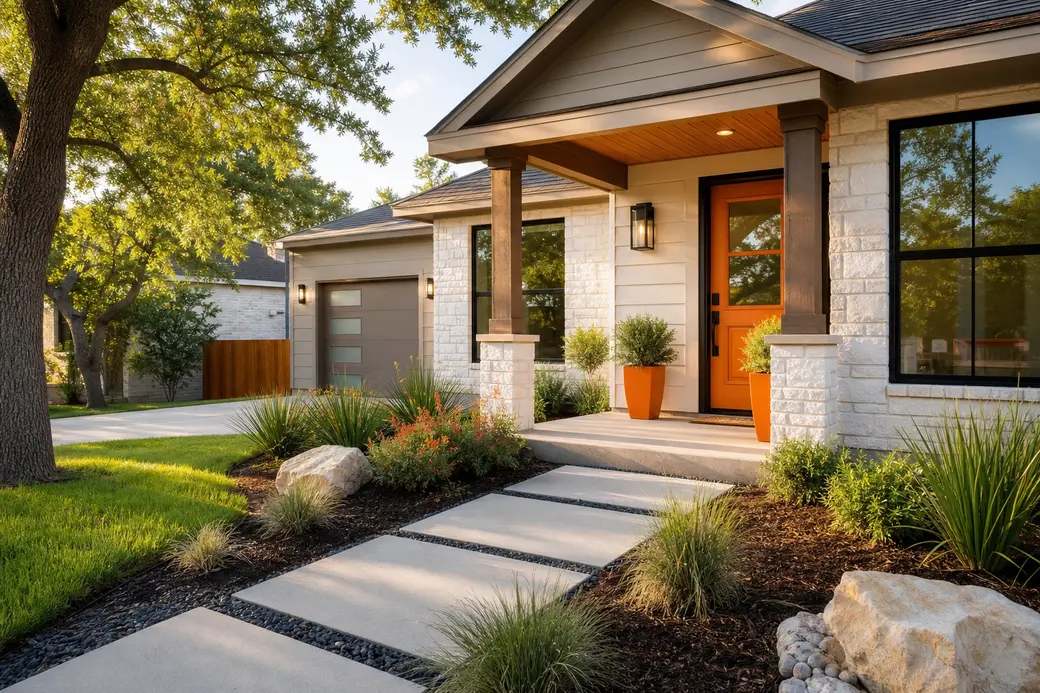
A $4,000 garage-door replacement can produce a better return than a $78,000 kitchen overhaul, according to 2026 home-improvement data. That does not mean every seller needs a new garage door. It means smart preparation starts with condition, buyer confidence, and the right budget, not the biggest project.
I recommend starting four to six weeks before listing when possible. The steps below will help you prepare an Austin-area home without spending money on work buyers may not value.
Step 1: Set Your Timeline and Inspect the House Honestly
To prepare your house for sale, begin with a schedule and a room-by-room review. Walk through the home as if you were seeing it for the first time.
Start at the curb. Walk to the front door, then move through each room. Look up at ceilings. Open cabinets. Run faucets. Test doors and windows. Notice smells, stains, scuffs, loose handles, dim rooms, and anything that makes you pause.
Ask a friend who does not live in the home to do the same walk. Familiarity hides small problems. A dripping faucet may seem minor to you, but a buyer may wonder what else has gone without care.
Make three columns on paper:
- Fix before listing.
- Disclose or price into the sale.
- Leave as is because the cost is unlikely to help.
Set the listing date only after you understand the work. A well-kept home may need two to four weeks. A home with stored belongings, deferred maintenance, or large projects may need six to eight weeks.
A careful review of the home can help identify concerns before a buyer raises them. It will not remove your duty to disclose known material issues. It can, however, give you time to gather estimates and decide with less pressure.
Gather your records at this stage. Useful files include the survey, title information, HOA documents, permits, repair invoices, roof records, HVAC service notes, warranties, and information about solar equipment or leased items.
My Austin home selling process starts with this review because preparation should fit your timing, finances, and reason for moving. A checklist is helpful, but judgment matters more.
Step 2: Fix Safety, Maintenance, and Inspection Problems First
When preparing a house for sale, repair safety and maintenance issues before cosmetic work. Buyers forgive dated finishes more easily than leaks, broken systems, or signs of neglect.
Start with items that affect how the home works:
- Repair leaks, slow drains, running toilets, and damaged caulk.
- Replace burned-out bulbs and failed switches.
- Tighten loose railings, cabinet pulls, doors, and gates.
- Repair cracked tiles, damaged flooring, and broken screens.
- Service heating and cooling equipment if performance is poor.
- Clear gutters and correct visible drainage problems.
- Check smoke alarms and carbon monoxide alarms.
Do not hide a known defect. Texas sellers must disclose known material facts. Concealment can create legal and financial problems after closing. If you are unsure how to describe a condition, ask your real estate broker and a qualified professional before listing.
Pay special attention to the roof, HVAC system, water heater, and major appliances. Buyers often estimate replacement costs when these items appear near the end of their useful life. Written estimates and service records help replace guesses with facts.
Use licensed professionals for work that involves structure, electrical systems, gas, roofing, or major plumbing. Keep receipts and permits. If a repair needs more time than you have, disclose it and price the home with that condition in mind.
Robbie English, REALTOR can help you sort repairs by likely buyer impact instead of treating every flaw as an emergency. You are free to choose any contractor, inspector, or service provider. A coordinated team can reduce missed details, but the decision remains yours.
One rule helps: fix problems that make buyers question the home’s care. Leave personal taste alone unless it harms the way the property shows.
Step 3: Declutter, Depersonalize, and Deep-Clean Room by Room
Decluttering and cleaning make the home easier to understand. Buyers need to see the size of each room, the storage space, and the path through the home.
Remove enough furniture to open walking paths. Store oversized pieces elsewhere during the listing period. Clear kitchen counters almost fully. Leave cabinets partly empty so buyers can see their depth.
In bedrooms, use simple bedding and clear nightstands. Remove items from beneath beds. In closets, aim to leave roughly one-third to one-half of the space open. A crowded closet makes a large closet feel small.
Bathrooms need special care. Remove toiletries, hair tools, cleaning supplies, and bath mats that look worn. Repair stained caulk. Clean grout. Put out one fresh towel after cleaning.
Depersonalizing does not mean making the house cold. Remove family photos, political items, large collections, and highly specific decor. Keep a few neutral pieces that add scale or warmth.
Sort everything into four groups:
- Keep and pack.
- Donate.
- Recycle or discard.
- Store elsewhere during showings.
Then deep-clean the surfaces buyers often inspect without thinking about it. Clean baseboards, ceiling fans, window glass, light fixtures, appliances, cabinet interiors, grout, and vents. Replace HVAC filters. Air out the home and address pet, cooking, smoke, or musty smells at the source.
If the house is large, occupied, or overdue for a deep clean, hire help before photography. Cleaning after photos is too late. The goal is not perfection. It is a home that feels cared for when a buyer opens a door or looks inside a cabinet.
My Texas home selling checklist treats presentation as part of the sale plan, not as a last-minute task. Pack early. The fewer items left in the home, the easier it will be to keep show-ready.
Step 4: Improve Curb Appeal Without Overbuilding
Curb appeal is part of how to prepare your house for sale because buyers judge the property before they enter. The same view may also become the first image they see online.
Start with maintenance. Mow and edge the lawn. Remove weeds and dead plants. Trim shrubs away from windows and walkways. Clean the front walk, porch, driveway, windows, and exterior light fixtures. Repair loose fence boards, gates, and handles.
Look at the front door in daylight. Clean it first. Paint it only if the finish is damaged or dated. Replace a worn doormat. Make the entry easy to find. A simple potted plant can add color, but avoid filling the porch with items that reduce space.
Central Texas weather adds a few concerns. Heat can stress plants and fade finishes. Check irrigation, mulch, drainage, and shade before listing. Do not install a landscape plan that needs constant care if you are leaving soon.
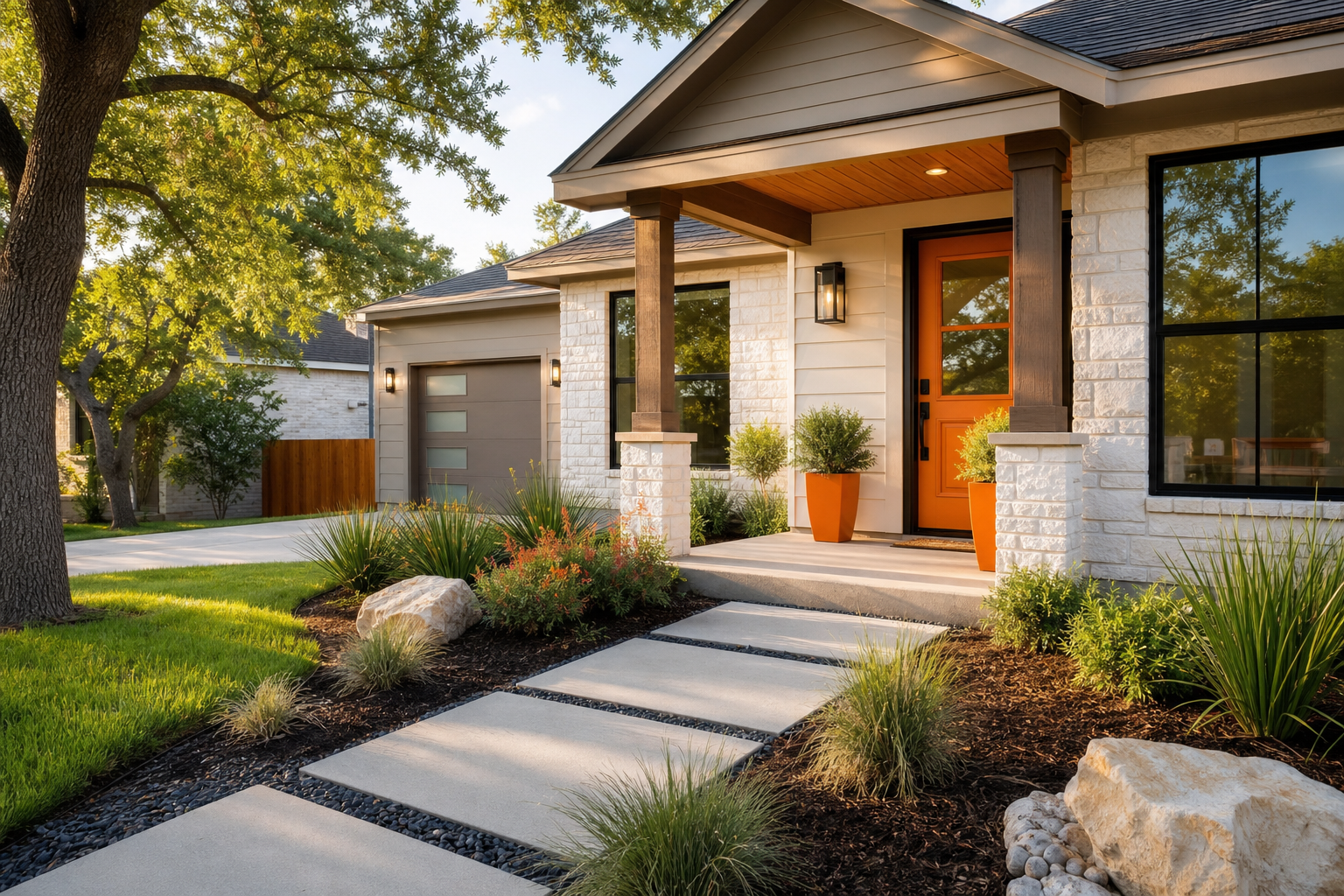
Exterior upgrades should solve a visible problem. A worn garage door may deserve attention because it occupies a large part of the front elevation. A damaged entry door can make the whole home feel tired.
Do not assume a large addition will pay back. Pools can bring maintenance, safety, and insurance concerns. Highly custom outdoor work may appeal to one buyer while limiting the next buyer’s choices.
For gutter work, compare the timing with the listing date and confirm the provider understands the property’s access needs. A related maintenance guide explains why scope and location can affect a cleaning budget, even though the guide covers Central Florida rather than Austin.
Make the outside look maintained, not staged for a resort brochure. That is usually the better fit for a broad buyer pool.
Step 5: Choose Updates That Fit the Austin Market and Your Budget
The best updates for a house sale are the ones that remove objections without forcing you to recover a large cost. Austin buyers may notice condition, layout, systems, and finish quality, but no seller can guarantee a dollar-for-dollar return.
Recent research shows why project size alone is a poor guide. A garage-door replacement is listed at about $4,000 to $4,500 with reported returns ranging from 93% to 194%. A major kitchen remodel can cost $78,000 or more while reporting returns of only 38% to 50%.
The 2026 home-improvement cost and ROI data from Opendoor also lists a minor kitchen remodel at a 96% average return and a minor bathroom remodel at 71%. These are broad figures, not a promise for your home or neighborhood.
| Project choice | When it may fit | Risk to check first |
|---|---|---|
| Garage door replacement | The door is damaged, dated, or prominent from the street. | An older system may need more than a door panel. |
| Vinyl siding with manufactured stone veneer | The typical cost is $10,000 to $11,000, with an average reported return of 153%. | The reported return is an average, not a guarantee. |
| Minor kitchen update | Cabinets work but the room looks tired. | Do not replace a sound kitchen with highly personal finishes. |
| Minor bathroom refresh | Caulk, fixtures, lighting, or surfaces make the room look dated. | A full remodel can exceed what the market supports. |
| Major remodel | A serious condition or layout issue demands more work. | Time, permits, cost overruns, and limited payback. |
| Pool or major outdoor feature | The feature already fits the property and local buyer expectations. | Maintenance, safety, insurance, and buyer liability concerns. |
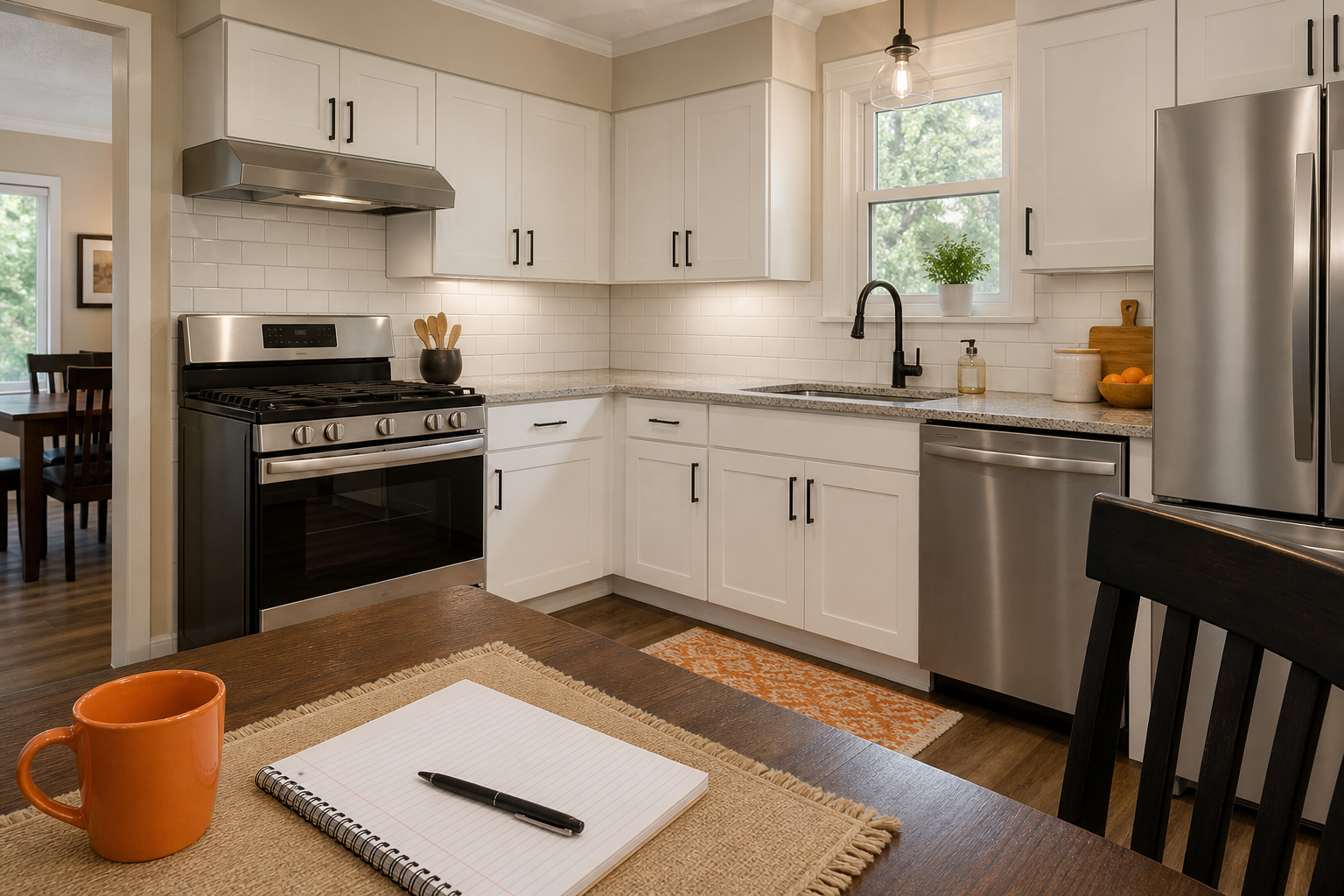
Reported returns can differ by entry-door material. The same project category can perform differently because the material, condition, and buyer response differ.
The reported entry-door and minor-update comparisons from HomeOutlet are useful for seeing the gap between small repairs and major renovations. Treat them as reference points, not as a pricing formula.
Before approving work, ask three questions. Does the project fix a clear defect? Will buyers notice it in photos or during a showing? Can the work finish before the listing date? If the answer is no to two questions, keep the money for moving costs, closing expenses, or price strategy.
A fresh coat of neutral paint, better light, repaired flooring, or new hardware may do more for presentation than an expensive design change. I have more than 40 years of experience in real estate, and one lesson remains consistent: sellers often lose money by improving for personal taste instead of buyer clarity.
Step 6: Price, Stage, Photograph, and Keep the Home Show-Ready
Pricing and presentation finish the preparation process. A clean home with a weak price still creates problems. A well-priced home with poor photos may never get enough showings.
Ask for a comparative market analysis based on recent sales, current competition, condition, size, location, and features. Do not rely on the amount you spent on improvements. Buyers and appraisers judge the finished property against other available homes.
Stage the rooms that explain the home best. Usually that means the living room, kitchen, primary bedroom, and main outdoor area. Remove extra furniture. Set dining tables simply. Open blinds when the view is helpful. Turn on lights. Keep paths clear.
Professional photography should happen after repairs, cleaning, and decluttering. Photos need to show the home accurately while making its best features easy to see. Include useful spaces such as storage, the garage, outdoor areas, and updated systems when they help a buyer understand value.
Before the photographer arrives:
- Make every bed.
- Clear counters and sinks.
- Hide trash bins and pet items.
- Remove cars from the driveway when possible.
- Open curtains and replace failed bulbs.
- Secure valuables, medications, records, and firearms.
Plan showings before the listing goes live. Decide how much notice you need, where pets will go, and how alarms or gates will work. Leaving during a showing usually gives buyers more freedom to discuss the property.
Keep utilities on through inspections and the final walk-through. If the home is vacant, arrange regular checks for leaks, HVAC problems, pests, and storm damage.
For the final stage, a final walk-through checklist can offer a useful reminder that the property’s condition and agreed repairs must be checked before closing.
My marketing plan for Austin sellers combines accurate pricing with clear presentation. If you want a second opinion, I can review the property, discuss the work that is worth doing, and build a listing schedule without requiring you to make every suggested update.
Once you know what's worth doing, the marketing plan is what actually gets the right buyers through the door.
Frequently Asked Questions
How long does it take to prepare a house for sale?
Most homes need two to four weeks when maintenance is current. Allow six to eight weeks if you need major decluttering, repairs, painting, or contractor work. Begin with an inspection-style walk-through, then set the listing date after you confirm which work can finish on time.
What should I fix before selling my house?
Fix safety issues, leaks, broken systems, damaged flooring, poor lighting, and visible deferred maintenance first. Cosmetic updates come after function. When preparing a house for sale, do not spend heavily on personal design choices unless a local pricing review shows the work is needed.
Should I review my home's condition before listing?
A careful review of the home's condition can help you find problems before a buyer does. It is not required, and it does not replace disclosure duties. It may make sense for an older home, a property with past repairs, or a seller who wants time to gather estimates before negotiations.
Should I renovate my kitchen before selling?
Renovate a kitchen before selling only when its condition creates a clear market problem. A modest update may improve presentation, while a major remodel may recover less than half its cost. Compare the work with recent local sales before committing to cabinets, counters, or a changed layout.
What documents should I gather before listing?
Gather the survey, HOA documents, permits, repair invoices, warranties, roof and HVAC records, appliance manuals, and information about leased or financed equipment. Clear records help buyers and their agents understand the home. They also make inspection, appraisal, and contract questions easier to answer.
Conclusion
Prepare the home in this order: inspect it, fix safety and maintenance concerns, reduce clutter, clean deeply, improve the first impression, then price and stage it with local evidence. Start by booking a property review with me, Robbie English, REALTOR, or use the checklist above to identify your first five tasks today.
Categories
- All Blogs (959)
- !!! (59)
- !x (621)
- Austin Real Estate (106)
- Bee Cave Real Estate (1)
- Building A Home (14)
- Buying A Home (143)
- Buying Land (1)
- Cedar Park Real Estate (57)
- Central Austin Real Estate (75)
- Down Payment Assistance Programs (1)
- Downsizing (3)
- Downtown Austin Real Estate (5)
- Dripping Springs Real Estate (62)
- East Austin Real Estate (3)
- Financing and Mortgage (23)
- first-time homebuying (109)
- Georgetown Real Estate (9)
- Hill Country Real Estate (1)
- HOA (2)
- Home Appraisals (13)
- Home For Rent (1)
- Home Inspections (6)
- Home Pricing (6)
- Home Staging (1)
- Home Values (12)
- Homeownership (1)
- Homes For Rent (1)
- Homes For Sale (147)
- Hutto Real Estate (5)
- Investing (6)
- Investment Properties (4)
- Lakeway Real Estate (33)
- Leander Real Estate (59)
- LGBT+ Real Estate (8)
- Luxury Homes For Sale (5)
- Luxury Real Estate (19)
- Market Conditions (16)
- Moving to Austin (2)
- Moving to Texas (4)
- Negotiations (3)
- Neighborhoods (8)
- Northwest Austin Real Estate (94)
- Off Market Listings (7)
- Pflugerville Real Estate (10)
- Private Listings (2)
- Property Management (42)
- Property Tax (3)
- Real Estate (18)
- Reddit Question Answered (80)
- redwrite (63)
- Relocation (2)
- Renting (6)
- Representation (34)
- Round Rock Real Estate (58)
- Selling Your Home (62)
- South Austin Real Estate (1)
- Westlake Real Estate (3)
Recent Posts