
What to Know About Texas Property Disclosure Laws
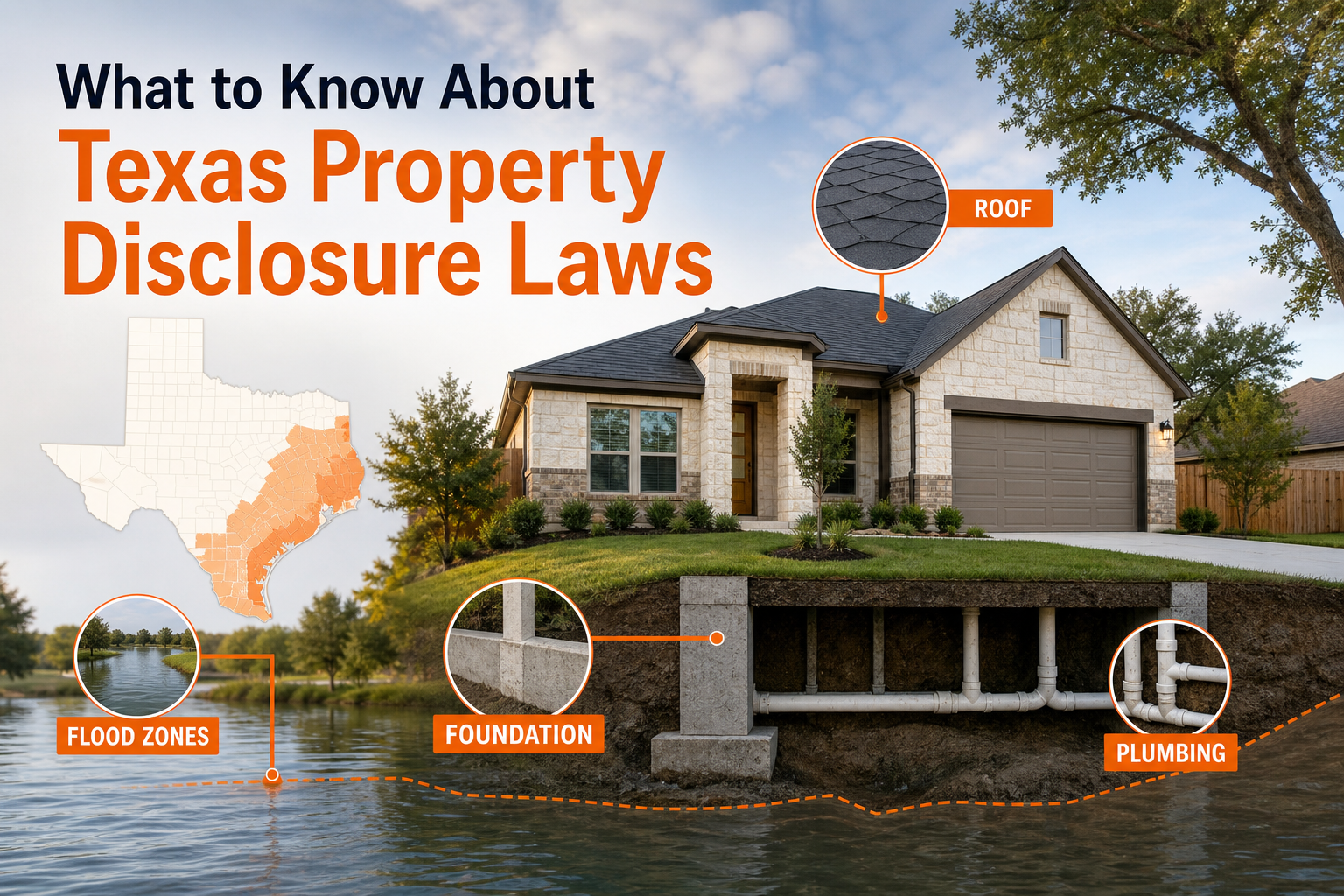
In Texas every material fact about a home, whether it’s a cracked tile or a past flood, must be disclosed before the buyer signs a contract. Missing a required item can trigger liability under the Deceptive Trade Practices Act. Below is the straight‑forward rundown of what you need to know.
What Texas sellers generally must disclose
Texas law forces sellers of occupied single‑family homes to complete a seller’s disclosure notice before closing. The form asks about structural issues, roof age, plumbing, electrical systems, flooding history, and any known defects that could affect value or safety. Robbie English, REALTOR explains why this form matters for both parties.
Even if a defect has been repaired, the seller must still disclose it because the buyer can still discover the repair work. Failure to be honest can lead to a lawsuit that costs more than the repair itself. The penalty is uniform: liability under the Texas Deceptive Trade Practices Act, which can include three times the actual loss.
Common exemptions, foreclosure, estate sales, and court‑ordered transfers, apply only when the seller never lived in the home. Most owner‑occupied resales fall squarely under the disclosure requirement.
What the seller's disclosure notice covers
The notice is a snapshot of the seller’s knowledge as of the signing date. It includes known structural or mechanical defects, water‑damage history, environmental hazards, legal issues, and any prior repairs tied to insurance claims. The form does not replace a buyer’s inspection; it simply tells the buyer what the seller knows.
Items such as foundation problems, roof leaks, faulty HVAC, termite damage, mold, radon, asbestos, or lead‑based paint (for homes built before 1978) must be disclosed if the seller is aware of them. The seller does not have to conduct independent testing, but must answer “yes,” “no,” or “unknown” truthfully for each item.
The form also asks about homeowners association fees, legal disputes, easements, and any encroachments that could affect ownership. Even a pending lawsuit must be noted because it can influence title and financing.
Timing, amendments, and what happens if information changes
The disclosure must be given before the buyer becomes bound by the purchase contract. Both parties sign the form, creating a record of what was known at that moment. If you learn something new after signing, you have an obligation to amend the notice.
Missing the timing deadline can let the buyer walk away within a seven‑day window after receipt. That can stall the transaction and add stress for everyone.
Texas law does not require the seller to update the form after signing, but courts have held that failing to disclose a material defect discovered later still creates liability. In practice, agents encourage an amendment when new information surfaces.
Some property details must be provided on the Seller’s Disclosure Notice (Form 55-1) before contract execution, including private-road maintenance responsibility. The Flood Hazard Disclosure is also provided within the same three-day window when required.
Exemptions are limited to specific transfers, court orders, foreclosures, and a few fiduciary situations. For most private sales, the form is non‑negotiable.
Remember that “unknown” is a valid answer only if you truly have no knowledge. Claiming ignorance for a problem you should have noticed can be seen as fraud.
Special Texas disclosures buyers should not overlook
Some required disclosures are easy for buyers to overlook. Sellers must now reveal whether they have been unable to obtain homeowners insurance, which can signal high risk and affect financing.
Other items include permanently installed generators, private‑road maintenance responsibilities, above‑ground storage tanks larger than 500 gallons, and conservation easements that limit future land use. These details can change a buyer’s budget dramatically.
Flood Hazard Disclosure (FHD) remains a core requirement whenever the home sits in a FEMA‑designated floodplain. The seller attaches the FHD to the notice, and the buyer can use it to assess flood‑insurance costs.
Questions about water access can matter for properties that rely on wells or surface water. For rural properties, those questions can affect how you use the land for irrigation or livestock.
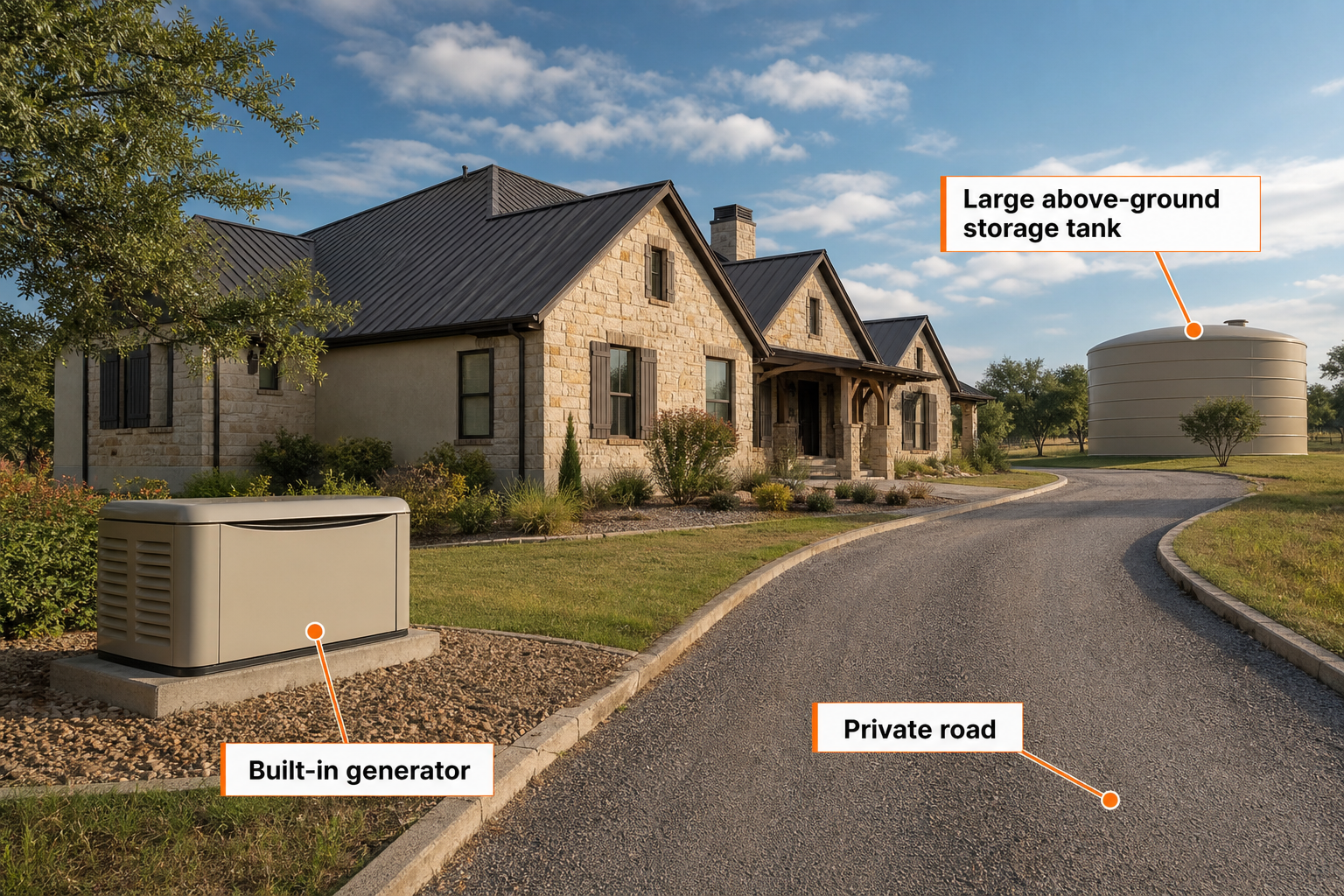
These added disclosures mean buyers should ask their agent to verify each item during the due‑diligence period. Overlooking a generator or a private road can lead to unexpected maintenance costs after closing.
When a seller indicates difficulty obtaining insurance, the buyer’s lender will likely request proof of coverage before approving the loan. That step can become a deal breaker when coverage is difficult to obtain.
Buyer responsibilities, inspections, and common misconceptions
Buyers cannot rely solely on the seller’s notice. A thorough home inspection is essential to uncover hidden problems that the seller may not know about or may have marked “unknown.”
Common misconceptions include believing that an “as‑is” clause waives the seller’s disclosure duties. Texas courts have repeatedly ruled that fraud or misrepresentation can override an “as‑is” clause, so a buyer can still sue for undisclosed defects.
It’s also a myth that the seller’s form is a warranty. The notice states it is not a guarantee of condition, and it does not replace any inspections the buyer wishes to conduct.
Buyers should request a copy of the notice early, compare it with the inspection report, and flag any discrepancies. If a defect was repaired, the buyer can still request documentation of the repair and may negotiate a price adjustment.
Legal counsel can help interpret complex disclosures, especially for items like conservation easements or other property-specific disclosures. I can walk you through the inspection process and point out red flags before you sign.
Once disclosures and inspection are squared away, the rest of the buying process moves fairly quickly.
In my experience, buyers who treat the disclosure notice as a checklist rather than the whole story end up with smoother closings and fewer post‑sale surprises.
Frequently asked questions about Texas property disclosure laws
Do I have to sign the Seller’s Disclosure Notice?
Yes. The seller must sign the notice, and the buyer typically signs to acknowledge receipt. The signatures prove the form was delivered before the contract became binding.
What if the seller claims they didn’t know about a defect?
If a reasonable homeowner would have noticed the issue, the court can deem the seller’s claim of ignorance as fraud. Liability can follow even if the seller truly believed they were unaware.
Are there any penalties for late disclosure?
Late disclosure can give the buyer a seven‑day window to terminate the contract. If the buyer proceeds, the seller may still face damages under the Deceptive Trade Practices Act.
Do I need a real‑estate attorney to review the disclosure?
While not required, an attorney can help interpret legal language, especially for complex items like easements or other disclosure forms. Many buyers find the extra cost worth the peace of mind.
Can the seller provide a “no known defects” statement and still be sued?
Yes. If a defect later surfaces that the seller should have known, the buyer can sue for fraud or misrepresentation, regardless of the “no known defects” claim.
Conclusion
If you’re buying or selling in Texas, treat the Seller’s Disclosure Notice as a legal cornerstone, not optional paperwork. I recommend reviewing the notice with a qualified agent, like me, Robbie English, REALTOR, early in the process and pairing it with a professional inspection. Reach out through the contact form on my website to start the conversation and keep your transaction on solid ground.
Categories
- All Blogs (964)
- !!! (59)
- !x (621)
- Austin Real Estate (109)
- Bee Cave Real Estate (1)
- Building A Home (14)
- Buying A Home (143)
- Buying Land (1)
- Cedar Park Real Estate (57)
- Central Austin Real Estate (75)
- Down Payment Assistance Programs (1)
- Downsizing (4)
- Downtown Austin Real Estate (5)
- Dripping Springs Real Estate (62)
- East Austin Real Estate (3)
- Financing and Mortgage (23)
- first-time homebuying (109)
- Georgetown Real Estate (9)
- Hill Country Real Estate (1)
- HOA (2)
- Home Appraisals (13)
- Home For Rent (1)
- Home Inspections (6)
- Home Pricing (6)
- Home Staging (1)
- Home Values (12)
- Homeownership (1)
- Homes For Rent (1)
- Homes For Sale (147)
- Hutto Real Estate (5)
- Investing (6)
- Investment Properties (4)
- Lakeway Real Estate (33)
- Leander Real Estate (59)
- LGBT+ Real Estate (8)
- Luxury Homes For Sale (5)
- Luxury Real Estate (19)
- Market Conditions (17)
- Moving to Austin (2)
- Moving to Texas (4)
- Negotiations (3)
- Neighborhoods (8)
- Northwest Austin Real Estate (94)
- Off Market Listings (7)
- Pflugerville Real Estate (10)
- Private Listings (2)
- Property Management (42)
- Property Tax (3)
- Real Estate (18)
- Reddit Question Answered (80)
- redwrite (63)
- Relocation (2)
- Renting (6)
- Representation (34)
- Round Rock Real Estate (58)
- Selling Your Home (62)
- South Austin Real Estate (1)
- Westlake Real Estate (3)
Recent Posts