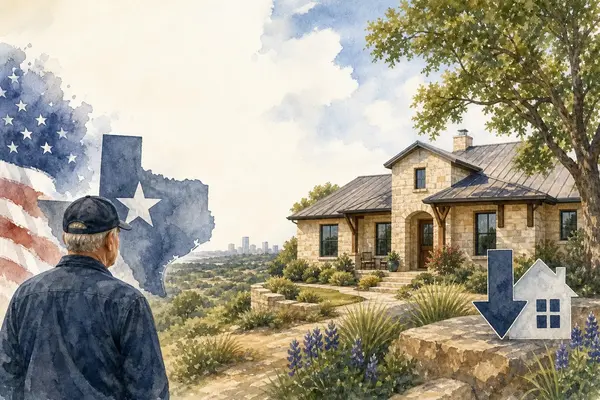
Austin Homes For Sale

Searching for Austin Homes For Sale can feel a little like standing in front of a Texas-sized buffet. There are established neighborhoods shaded by mature oak trees, newer communities filled with modern amenities, downtown condominiums, suburban-style homes inside the city limits, and waterfront properties tucked along the Highland Lakes. The choices are exciting, but they can also become overwhelming without a clear plan.
I have worked in real estate for more than 40 years, and one lesson has remained true through every kind of market: the best home is not simply the prettiest house you tour. It is the property that supports your daily routine, financial goals, commute, lifestyle, and plans for the years ahead.
Again, I am Robbie English, Broker, REALTOR with Uncommon Realty, as well as a national real estate instructor. My goal is to help buyers understand what they are purchasing, why one neighborhood may fit better than another, and how to make a confident decision without being pressured into a house that does not truly work for them.

TLDR: What Buyers Should Know About Austin Homes For Sale
- Austin offers everything from downtown condominiums and historic bungalows to suburban homes, luxury estates, and lake-area properties.
- Neighborhood selection should begin with your lifestyle, commute, budget, school preferences, and long-term plans.
- Walkability varies significantly, with stronger pedestrian access in many central neighborhoods and more car-oriented living in outer communities.
- Long-term value is often influenced by location, land scarcity, neighborhood condition, nearby employment, transportation access, and buyer demand.
- The most common buyer mistakes include focusing only on appearance, underestimating ownership costs, skipping due diligence, and choosing a location without testing the daily commute.
Understanding the Austin Neighborhood Atmosphere
Austin is not one uniform real estate market. It is a collection of neighborhoods, each with its own rhythm, housing patterns, conveniences, and personality. Two homes separated by only a few miles can offer very different ownership experiences.
Central Austin often appeals to buyers who value established neighborhoods, local restaurants, shorter access to downtown, mature trees, and a stronger connection to Austin’s historic character. Communities such as Hyde Park, Allandale, Crestview, and Tarrytown each offer their own variation of established city living.
Northwest Austin tends to feel more residential and suburban while keeping buyers connected to major employment centers. Areas such as Great Hills, Anderson Mill, Canyon Creek, and Northwest Hills may offer larger lots, hills, greenbelts, neighborhood amenities, or convenient access to technology employers.
South Austin is known for its mix of longtime neighborhoods, creative energy, local businesses, and access to entertainment corridors. Buyers may explore Bouldin Creek, Travis Heights, Zilker, Garrison Park, and nearby communities depending on their budget and desired atmosphere.
East Austin offers another blend of older homes, newer construction, redevelopment, restaurants, cultural destinations, and convenient access to central employment areas. Buyers should evaluate each street carefully because housing conditions, traffic patterns, redevelopment activity, and nearby land uses may change quickly from one pocket to another.
Search Homes for Sale in Austin
Home Styles Buyers Will Find Across Austin
The variety of Austin housing is part of what makes the search interesting. In older neighborhoods, buyers may encounter Craftsman-inspired bungalows, mid-century ranch homes, cottages, historic residences, duplexes, and remodeled properties that combine original character with modern updates.
Newer sections of the city may include traditional suburban homes, contemporary architecture, townhomes, detached condominiums, gated communities, and master-planned developments. Near The Domain, buyers may find condominiums, townhomes, and newer residential developments that appeal to people who want proximity to shopping, restaurants, offices, and entertainment.
Luxury buyers can explore custom homes, gated enclaves, hill country views, golf communities, and waterfront options in areas such as Barton Creek, Spanish Oaks, West Lake Hills, River Place, and communities closer to Lakeway.
The age and design of a house should guide your inspections. Older homes may deserve additional attention for foundations, plumbing materials, electrical systems, drainage, roofing, insulation, and previous renovations. Newer construction still requires careful review because new does not automatically mean flawless.
How to Think About Austin Home Pricing
I am intentionally not giving you a single citywide price figure because Austin housing costs vary widely by neighborhood, lot, school assignment, condition, architecture, property type, and proximity to major destinations. A modest home in a highly sought-after central location may cost more than a significantly larger property farther from the urban core.
Buyers should compare properties using more than asking price. Consider usable square footage, lot characteristics, renovation quality, monthly homeowners association dues, property taxes, insurance, utility costs, anticipated maintenance, and future improvement needs.
| Pricing Factor | Why It Matters | Buyer Question |
|---|---|---|
| Location | Influences convenience, demand, commute, and resale appeal | Does this location support my daily routine? |
| Property condition | Affects immediate repairs and future maintenance | What will this home require after closing? |
| Lot and setting | May affect privacy, drainage, expansion, and usability | Can I comfortably use and maintain this property? |
| Ownership expenses | Determines the true monthly and annual cost | What will I pay beyond principal and interest? |
| Comparable sales | Helps establish reasonable market positioning | How does this home compare with recent alternatives? |
A buyer should understand the difference between qualifying for a purchase and being comfortable with the total cost of ownership. Before touring seriously, it is wise to get preapproved and establish a realistic monthly housing range.
Walkability, Restaurants, and Everyday Conveniences
Walkability in Austin depends heavily on the neighborhood. Areas near Downtown Austin, South Congress, Clarksville, North Loop, and portions of Mueller may provide easier access to restaurants, coffee shops, parks, entertainment, or neighborhood services.
Many other Austin neighborhoods are primarily car-oriented. That does not make them undesirable. Some buyers would gladly trade walkability for a larger yard, quieter street, neighborhood pool, greenbelt access, or more interior space. The important thing is to recognize the tradeoff before purchasing.
When evaluating restaurants and conveniences, do not rely only on a map. Drive the area during the times you would normally run errands. Check how long it takes to reach a grocery store, pharmacy, medical office, coffee shop, gym, or favorite restaurant. A destination that appears close may feel farther away once traffic, intersections, and road design enter the picture.
Parks, Trails, and Outdoor Living
Austin’s outdoor culture is one of its strongest lifestyle attractions. Depending on the neighborhood, residents may enjoy city parks, hike-and-bike trails, greenbelts, swimming areas, sports fields, dog parks, playgrounds, golf courses, or lake access.
Outdoor access can also influence how a property feels. A home backing to a greenbelt may offer privacy and scenery, but buyers should investigate drainage, wildlife, wildfire considerations, erosion, tree maintenance, and any limitations on future improvements. Waterfront and lake-area properties may require additional review of flood information, water levels, docks, septic systems, insurance, and community restrictions.
Buyers interested in a more lake-oriented lifestyle may also compare Austin with nearby communities such as Lago Vista, Jonestown, Spicewood, and Lakeway.
Schools and Attendance Boundaries
School information deserves careful, independent verification. A home’s mailing address does not necessarily tell you which district or campus serves the property. Attendance boundaries may change, and school assignments should be confirmed directly with the applicable district before a buyer makes a decision.
Buyers should also avoid reducing a neighborhood to a single school rating. Consider academic programs, transportation, enrollment patterns, extracurricular activities, future boundary plans, and the needs of your household. Even buyers without school-aged children may want to understand local school assignments because they can influence future buyer demand.
Fair housing laws are another reason a real estate professional should provide objective resources rather than steering buyers toward or away from particular neighborhoods. My role is to help you locate reliable information and evaluate properties based on the criteria you establish.
Commuting and Employment Access
Austin commute times can vary considerably based on direction, time of day, construction, school traffic, and major events. A neighborhood that works beautifully for someone employed in Northwest Austin may be frustrating for a buyer who travels daily to a different side of the region.
Buyers working near technology and business centers may consider homes near The Domain, Dell, major north Austin employment corridors, or communities with reasonable access to Loop 1, US 183, SH 45, Interstate 35, and other connecting roads.
Test the commute yourself before making an offer. Drive from the property to work during your normal travel period, then repeat the trip in the opposite direction. Also evaluate airport access, school transportation, toll-road expenses, public transit options, and the frequency of trips to friends, family, medical care, or recreation.
Which Austin Area May Fit Your Priorities?
| Area Type | May Appeal To | Common Tradeoffs |
|---|---|---|
| Central neighborhoods | Buyers seeking character, convenience, dining, and shorter urban access | Higher acquisition costs, smaller lots, older systems, or limited parking |
| North and northwest neighborhoods | Technology employees, suburban-style buyers, and households seeking established communities | Traffic patterns, varying walkability, and competition for well-located homes |
| South Austin neighborhoods | Buyers who value local culture, parks, restaurants, and access to central destinations | Older housing stock, redevelopment, and street-by-street differences |
| East Austin neighborhoods | Buyers seeking central access, newer development, restaurants, and architectural variety | Construction activity, redevelopment, and rapidly changing surroundings |
| Lake and hill country areas | Buyers prioritizing views, recreation, privacy, or larger properties | Longer commutes, terrain, insurance considerations, and property maintenance |
The right fit depends on what you are willing to trade. You may choose a smaller home for a shorter commute, an older property for neighborhood character, or a longer drive for more land and privacy. There is no universal right answer, only the answer that aligns with your priorities.
Long-Term Appreciation Potential
No real estate professional can guarantee future appreciation. However, buyers can evaluate characteristics that have historically supported durable demand. These may include limited land supply, convenient employment access, neighborhood upkeep, desirable amenities, adaptable floor plans, infrastructure investment, and proximity to parks, schools, shopping, or transportation.
Properties with unusual limitations may face a smaller future buyer pool. Examples can include difficult access, significant road noise, awkward floor plans, steep driveways, substantial deferred maintenance, limited parking, or lots with restricted usability. These homes may still be good purchases when the price reflects the limitation and the buyer understands the resale implications.
A strong long-term purchase usually balances personal enjoyment with broad future appeal. Even when you expect to remain in the home for years, life can change. Employment, health, family needs, and financial priorities may create an earlier move than originally planned.
Common Mistakes Austin Homebuyers Should Avoid
- Starting the search without a complete budget. Mortgage approval does not account for every expense. Include taxes, insurance, maintenance, utilities, association dues, commuting, and expected repairs.
- Choosing finishes over location. Countertops can be changed. Commute patterns, road noise, lot orientation, and nearby land uses are much harder to alter.
- Skipping independent inspections. Every property deserves appropriate due diligence, including new construction and recently renovated homes.
- Failing to review restrictions. Association rules, deed restrictions, zoning, easements, and municipal regulations may affect rentals, additions, parking, businesses, pets, or exterior changes.
- Ignoring resale considerations. A highly personalized feature may be perfect for you but reduce the future buyer pool.
- Touring without representation details settled. Buyers should understand their representation agreement, services, responsibilities, and compensation obligations before beginning serious property tours.
- Relying only on public real estate portals. A comprehensive search may also include properties shared through professional networks and Off Market opportunities when available.
A Better Way to Search for Austin Homes
Begin with your nonnegotiables. Identify your preferred monthly investment, commute limits, minimum space, property type, accessibility needs, school considerations, outdoor priorities, and willingness to renovate. Then separate true requirements from preferences.
Use a live property search rather than relying on outdated screenshots or social media posts. Buyers can also use the Closely app to stay connected with property information and their real estate process.
Once you identify promising areas, spend time in them before selecting a house. Visit during weekday mornings, evenings, and weekends. Listen for road noise, observe parking, check drainage patterns, and drive the routes that matter to your household.
A thoughtful search is not about seeing the greatest number of houses. It is about learning enough from each property to narrow your decision with confidence. My buying a home resources can help you understand the process before you begin touring.
Frequently Asked Questions About Austin Homes For Sale
What types of homes are available in Austin?
Austin offers single-family homes, condominiums, townhomes, historic properties, suburban houses, modern residences, luxury estates, golf-course homes, and properties near lakes or greenbelts. Availability varies by neighborhood and price range.
Is Austin a walkable city?
Some central neighborhoods provide convenient access to restaurants, shops, parks, and entertainment, while many outer neighborhoods are designed primarily for driving. Buyers should evaluate walkability at the individual property level.
Should I buy an older or newer Austin home?
Older homes may offer established locations, mature trees, and architectural character. Newer homes may offer modern layouts, energy features, and community amenities. Both require careful inspection and a clear understanding of maintenance expectations.
How should I compare Austin neighborhoods?
Compare neighborhoods based on commute, housing costs, property condition, schools, parks, walkability, nearby services, future development, ownership expenses, and how well the area supports your daily routine.
Do I need a buyer representation agreement before touring homes?
Buyers should discuss and complete the appropriate representation documentation before touring properties with a real estate professional. The agreement should explain services, obligations, duration, compensation, and how the relationship may be terminated.
Can I find homes that are not shown on major real estate portals?
Some opportunities may be promoted through professional networks, private channels, or direct owner conversations. Availability is never guaranteed, but an experienced professional can help buyers explore both publicly marketed and potential off-market options.
Let’s Find the Austin Home That Fits Your Life
Buying a home is a major financial decision, but it is also a deeply personal one. The right property should make sense when you look at the inspection report, monthly expenses, commute, neighborhood, future resale potential, and the way you actually want to live.
Again, I am Robbie English, Broker, REALTOR with Uncommon Realty. With more than 40 years in real estate and experience teaching real estate professionals across the country, I believe an educated buyer is better prepared to make a confident decision.
When you are ready to talk through your priorities, explore neighborhoods, or build a personalized home search, visit my contact page. We can sit down, sort through the choices, and create a strategy that fits your life rather than forcing your life to fit a house.
Categories
- All Blogs (978)
- !!! (59)
- !x (621)
- Austin Real Estate (113)
- Bee Cave Real Estate (1)
- Building A Home (14)
- Buying A Home (145)
- Buying Land (1)
- Cedar Park Real Estate (58)
- Central Austin Real Estate (75)
- Down Payment Assistance Programs (1)
- Downsizing (4)
- Downtown Austin Real Estate (5)
- Dripping Springs Real Estate (62)
- East Austin Real Estate (3)
- Financing and Mortgage (24)
- first-time homebuying (109)
- Georgetown Real Estate (9)
- Hill Country Real Estate (1)
- HOA (3)
- Home Appraisals (13)
- Home For Rent (1)
- Home Inspections (6)
- Home Pricing (6)
- Home Staging (1)
- Home Values (12)
- Home Warranties (1)
- Homeownership (1)
- Homes For Rent (1)
- Homes For Sale (147)
- Hutto Real Estate (5)
- Insurance (1)
- Investing (6)
- Investment Properties (4)
- Lakeway Real Estate (33)
- Leander Real Estate (59)
- LGBT+ Real Estate (8)
- Luxury Homes For Sale (5)
- Luxury Real Estate (19)
- Market Conditions (17)
- Moving to Austin (2)
- Moving to Texas (4)
- Negotiations (3)
- Neighborhoods (8)
- Northwest Austin Real Estate (94)
- Off Market Listings (7)
- Pflugerville Real Estate (11)
- Private Listings (2)
- Property Management (42)
- Property Tax (5)
- Real Estate (18)
- Reddit Question Answered (80)
- redwrite (63)
- Relocation (2)
- Renting (6)
- Representation (34)
- Round Rock Real Estate (59)
- Selling Your Home (62)
- South Austin Real Estate (1)
- Westlake Real Estate (3)
Recent Posts