
Best Austin Relocation Guide For Tech Workers
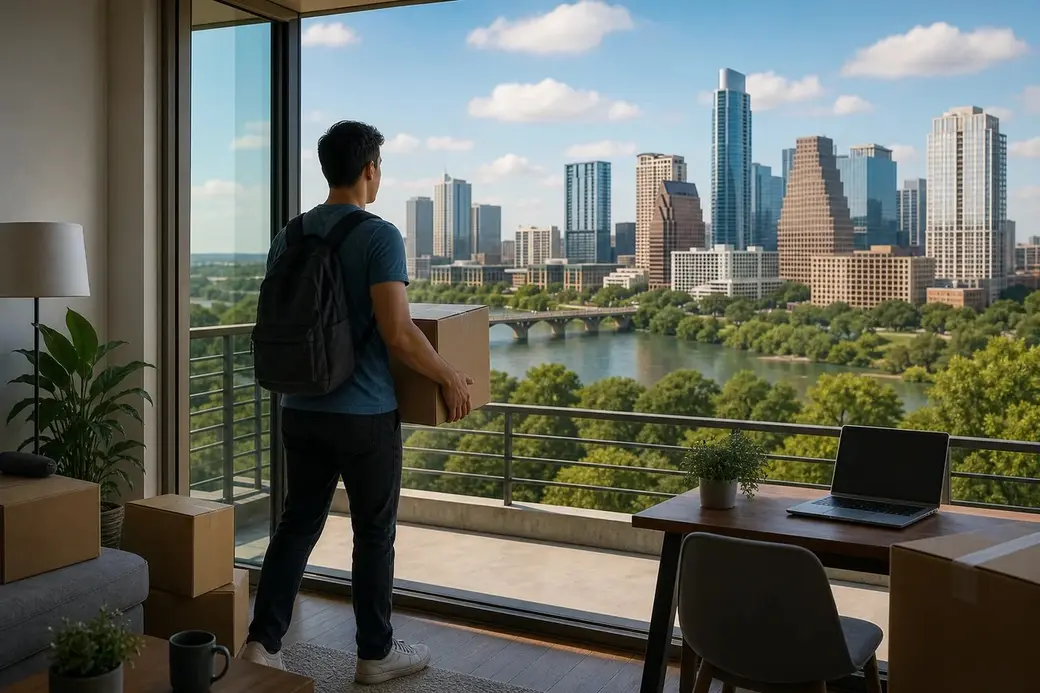
Thinking about swapping your current office view for Austin’s sunrise over Lady Bird Lake? I’ve helped dozens of tech professionals make the jump, and I’ll lay out the real options you can count on.
Table of Contents
- Robbie English, REALTOR — Local guidance for tech workers relocating across Central Texas
- How to choose the right brokerage for a tech move
- FAQ
1. Robbie English, REALTOR — Local guidance for tech workers relocating across Central Texas
Robbie English, REALTOR runs a team that covers Austin and the surrounding Central Texas markets. I work with him daily, so I know the service is hands‑on and tech‑worker aware. He helps you map out neighborhoods that match your commute pattern, whether you’re headed to the Domain corridor or a remote‑first role that lets you stay home most days.
Clients appreciate his deep market data, which includes up‑to‑date median price trends for everything from a downtown condo to a Hill Country acre. He also connects you with vetted inspectors and moving crews that understand the tight timelines many tech hires face.
One caveat: his focus is on the Austin metro; if you need a multi‑state relocation, you’ll want a brokerage with broader national reach.
Before you commit to a suburb, factor in ongoing costs like HOA dues — see my breakdown of average HOA fees in Austin suburbs.
How to choose the right brokerage for a tech move
- Confirm the broker’s experience with remote‑work clients.
- Ask about their network of high‑speed internet providers.
- Check if they offer a commute‑calculator or similar data‑tool.
- Make sure they understand your employer’s relocation stipend rules.
- Test their responsiveness: a quick reply often means smoother negotiations.

FAQ
What is the average rent for a tech worker in Austin?
The median rent for a one‑bedroom apartment in Austin sits around $1,467 per month, according to recent market data. Rents may be lower in the northern suburbs like Round Rock, offering more space for remote‑work setups. For a broader view of housing, taxes, utilities, and transportation costs, I also recommend reviewing the Austin cost of living guide before setting a monthly housing budget.
Do I need a separate home office for remote work?
Yes, most tech roles benefit from a dedicated workspace. Adding a second bedroom for a home office typically adds $300‑$500 to monthly rent, but it saves you from noisy kitchen‑table setups and improves video‑call quality.
How important is fiber internet for a tech relocation?
Fiber is essential for reliable video conferencing and large code pushes. Google Fiber and AT&T Fiber serve many Austin addresses. Check provider availability at a specific address before you sign a lease.
Which neighborhoods have the shortest commute to the Domain?
Northwest Austin neighborhoods like Great Hills, Jester Estates, and Canyon Creek place you within a 15‑minute drive to the Domain corridor, especially during off‑peak hours. Cedar Park and Leander also offer a good balance of cost and commute time. I’ve outlined additional areas worth comparing in my guide to Northwest Austin neighborhoods for tech workers, but you should still test each commute at the hours you expect to travel.
Are there tax advantages to moving to Austin?
Texas has no state income tax, which means a $100,000 salary from a California employer can net an extra $5,000‑$10,000 after taxes. Property taxes in Austin range from 1.3% to 2.2% of assessed value, so you’ll still need to factor those into your budget.
Ready to start the search? I recommend reaching out for a personalized market snapshot and a clear path to the right Austin neighborhood for your tech career. Moving to Austin, TX | Complete Relocation Guide will walk you through budgeting, school research, and timeline planning.
Once you’ve picked a broker, schedule a discovery call to map your commute, verify fiber coverage, and lock in a timeline that aligns with your start‑date. That’s the fastest way to turn a tech job offer into a smooth Austin move.
Categories
- All Blogs (964)
- !!! (59)
- !x (621)
- Austin Real Estate (109)
- Bee Cave Real Estate (1)
- Building A Home (14)
- Buying A Home (143)
- Buying Land (1)
- Cedar Park Real Estate (57)
- Central Austin Real Estate (75)
- Down Payment Assistance Programs (1)
- Downsizing (4)
- Downtown Austin Real Estate (5)
- Dripping Springs Real Estate (62)
- East Austin Real Estate (3)
- Financing and Mortgage (23)
- first-time homebuying (109)
- Georgetown Real Estate (9)
- Hill Country Real Estate (1)
- HOA (2)
- Home Appraisals (13)
- Home For Rent (1)
- Home Inspections (6)
- Home Pricing (6)
- Home Staging (1)
- Home Values (12)
- Homeownership (1)
- Homes For Rent (1)
- Homes For Sale (147)
- Hutto Real Estate (5)
- Investing (6)
- Investment Properties (4)
- Lakeway Real Estate (33)
- Leander Real Estate (59)
- LGBT+ Real Estate (8)
- Luxury Homes For Sale (5)
- Luxury Real Estate (19)
- Market Conditions (17)
- Moving to Austin (2)
- Moving to Texas (4)
- Negotiations (3)
- Neighborhoods (8)
- Northwest Austin Real Estate (94)
- Off Market Listings (7)
- Pflugerville Real Estate (10)
- Private Listings (2)
- Property Management (42)
- Property Tax (3)
- Real Estate (18)
- Reddit Question Answered (80)
- redwrite (63)
- Relocation (2)
- Renting (6)
- Representation (34)
- Round Rock Real Estate (58)
- Selling Your Home (62)
- South Austin Real Estate (1)
- Westlake Real Estate (3)
Recent Posts