Austin Home Inspection Red Flags: A Buyer’s Guide
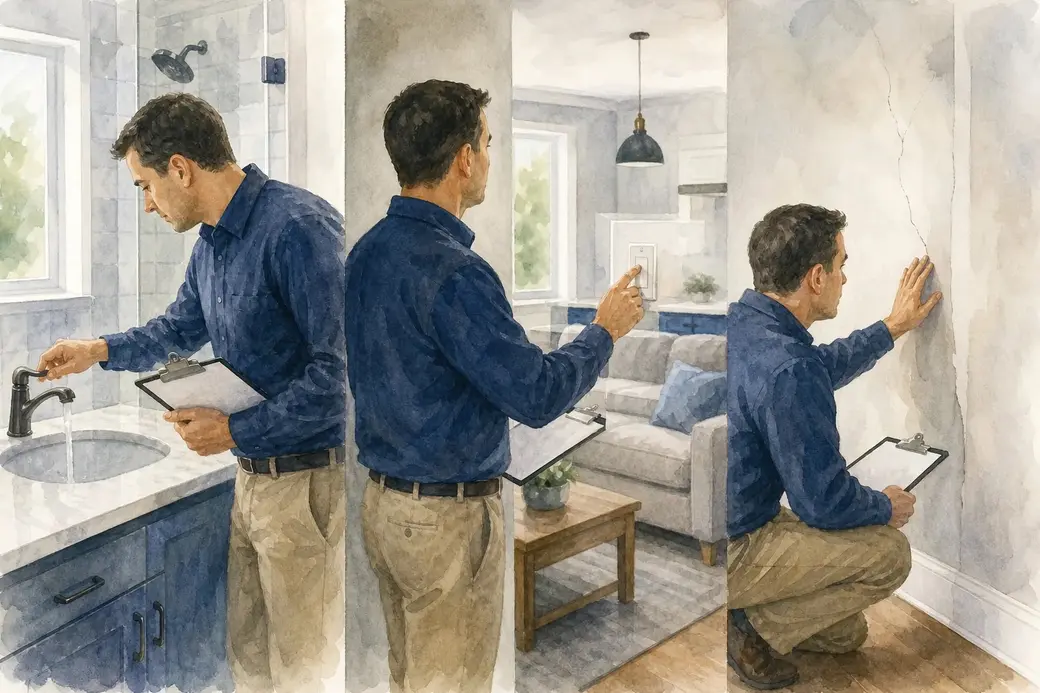
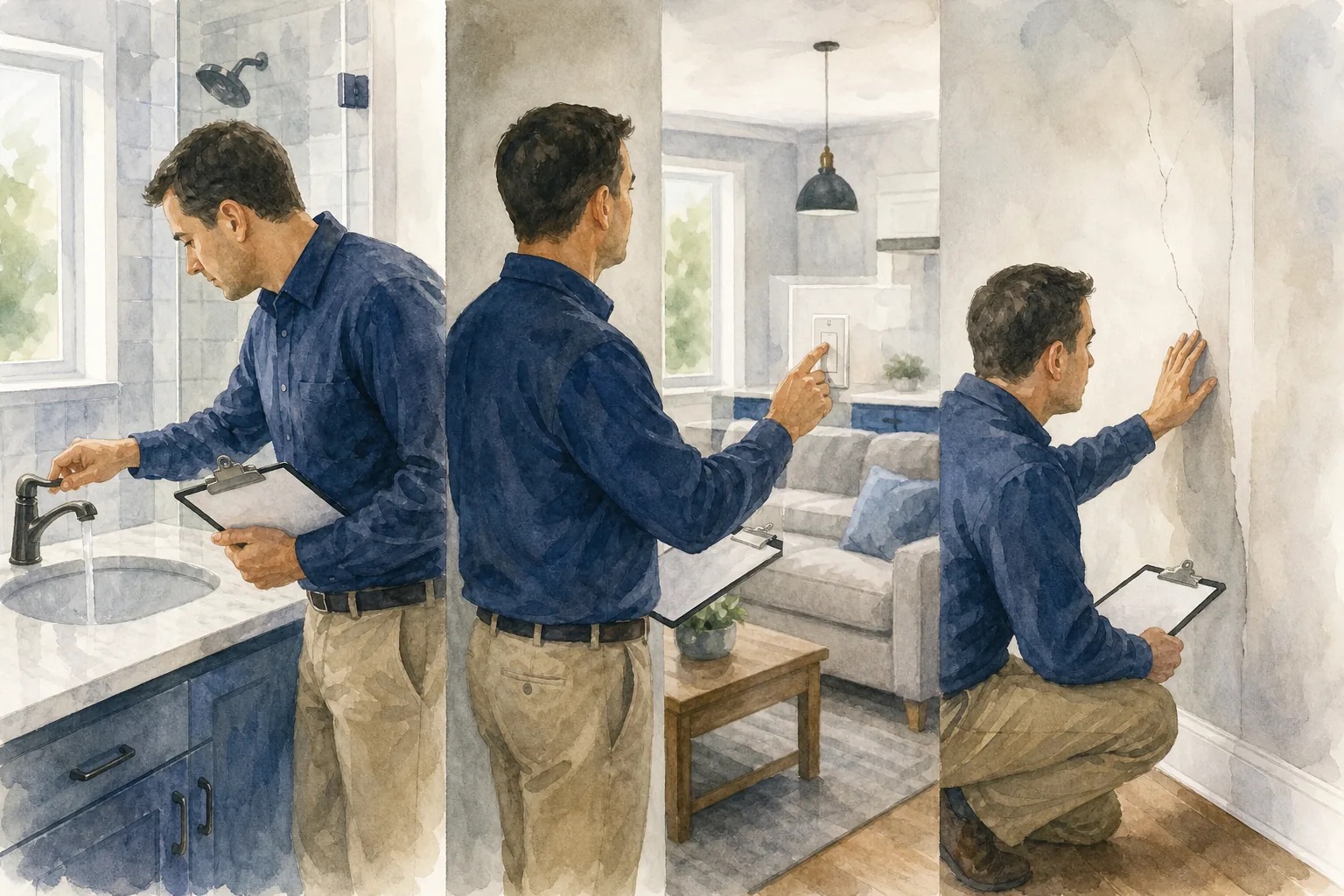
If you're buying in Austin, a home inspection can reveal problems that aren't clear during a showing. I’m Robbie English, REALTOR, and I’ll help you sort serious concerns from routine upkeep. A practical starting point is to check whether doors work and are in good repair, window panes are intact, electrical switches and outlets work, and nothing is leaking or leaving moisture where it shouldn't be. Use those observations as a starting point, then ask your inspector what each finding means for this home.
An analysis of 44 comments from Reddit and YouTube about home inspection red flags found that 23% mentioned hidden ventilation and electrical issues.
Step 1: Prepare for the Inspection and Protect Your Option-Period Time
Start by checking the deadlines in your signed contract. The option period is a negotiated window, not a set number of days for every Texas sale. Your contract controls the deadline and your rights, so confirm both with your agent before you schedule anything.
Book the inspection as soon as you can. Ask what the inspection covers, how long it may take, and when you’ll receive the written report. Inspection fees vary with the home and scope, so review Austin home inspection costs and add-on fees before setting your budget.
Let the inspector know about concerns you noticed at the showing. A door that sticks, a water stain, or a room that feels unusually warm can help guide questions. You can attend if the inspector allows it. Bring a way to take notes, but let the inspector do the testing and access work.
A standard inspection is a visual review of accessible areas. It can flag concerns with the roof, structure, plumbing, electrical system, heating and cooling equipment, and visible moisture. It isn't a guarantee that every hidden issue will be found. Ask whether you should book separate checks, such as a pest inspection, based on the home, your lender’s requirements, or your concerns.
You can note whether doors are working properly and in good repair, window panes are in place and unbroken, and the roof covering, soffit, and fascia are intact and in good repair. Add any concerns about leaks or excess moisture to your questions for the inspector. Before the inspection, write down your top questions and leave enough time to review the report before your contract deadline.
Step 2: Review the Report for High-Priority Foundation, Roof, and System Red Flags
Read the summary first, then look closely at any finding tied to safety, water, structure, or a major system. A long report can include small maintenance notes alongside issues that may need prompt attention. The number of comments alone doesn’t tell you how serious the home’s condition is.
For the foundation, ask what the inspector observed and where. Cracks, sloped floors, doors that bind, or gaps near trim deserve context, not a quick diagnosis from a photo. Ask whether the pattern suggests movement and whether you should seek a specialist’s opinion. My guide to checking for foundation concerns can help you recognize signs to discuss with your inspector.
On the roof, look for reported damage, signs of leaks, worn materials, or trouble at flashing and roof edges. The report may note a stain inside, but that alone doesn’t show whether the leak is active or where water entered. Ask whether a roofer should assess it and what proof of past repair is available. Don’t climb onto the roof yourself.
For HVAC, plumbing, and electrical concerns, ask what was tested and what failed. A system that won’t run as expected needs a clear next step. In an older home, ask whether the report notes older wiring, such as knob-and-tube, or aging plumbing. Don’t assume a system is sound because it turns on during a brief test. A qualified trade professional can explain the repair scope.
For any major finding, ask three questions: What can happen if it stays as it is? Who can confirm the cause? What work and cost should I plan for? When the answer affects your decision, ask for a specialist’s written estimate.
Step 3: Check the Austin Property’s Drainage, Age, Orientation, and Surroundings
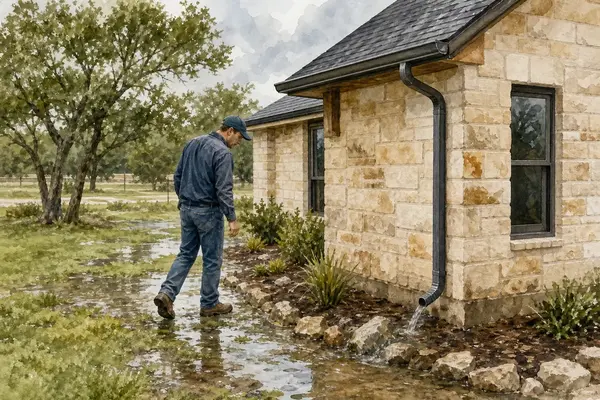
Look beyond the rooms. Walk the lot with the inspector and watch where water may travel after rain. Check whether the ground slopes toward the house, whether downspouts send water away, and whether you see pooling, damp soil, or water stains near the foundation. Poor drainage can add moisture pressure around the home and deserves a closer look.
Moisture clues include bubbling paint, soft trim, musty odors, stains, or damp areas beneath sinks. Mold or water marks should prompt questions about the source, not a guess about the cause. Ask whether the inspector recommends further testing. If water enters the home through a leak, flood, burst pipe, or other source, immediately follow the steps provided.
Age can change what you ask. In an older house, request details about visible wiring, pipe materials, past repairs, and additions. For a flipped home, ask for permits and records for major work. Fresh paint or new fixtures don’t confirm that hidden work was done well. Have the inspector note what they could see and what remains out of view.
Orientation and surroundings aren’t inspection defects, but they can affect how you use the property. A south-facing wall may receive strong afternoon sun, which can make shade, window condition, insulation, and air-conditioning performance worth checking. Visit at a different time of day to judge light and heat for yourself. Don’t assume any one direction means a home will be hard to resell.
Listen for traffic and nearby work while you’re at the property. A visit at a quiet hour may not show what the street sounds like during busier times. Check for planned construction through appropriate public sources and consider how noise or access could affect your own use of the home. These are personal trade-offs, not automatic reasons to walk away.

Step 4: Verify Serious Findings and Do Safe, Simple Checks
An inspection report is a map of concerns, not always the final answer. If a finding could change your budget or decision, ask the inspector what it means and whether another professional should assess it. A roofer, electrician, plumber, or foundation specialist can focus on a specific system and explain likely repairs.
Ask what tools the inspector used and what they can show. A thermal camera may help locate temperature differences that deserve a closer look. A camera used in a crawl space may help document hard-to-see areas. Those tools can add information, but they don’t replace a professional’s judgment or prove a defect on their own.
You can make a few safe checks during a visit. Test a light switch or faucet if the home is accessible and the inspector says it’s okay. Look for visible cracks or water stains. Ask where the main water shutoff is so you know where to go if a pipe leaks after closing. Check whether the smoke and carbon monoxide alarms are working.
Give the alarms special attention. If an alarm is missing or fails a basic check, tell your inspector and ask what needs to happen before you occupy the home.
Don’t open an electrical panel, enter a tight crawl space, or walk onto the roof to confirm a concern. Stay with visible, low-risk checks. If the report identifies a possible safety issue, ask how to keep people away from the hazard until a qualified professional reviews it.
Step 5: Decide How to Respond, Negotiate, or Prepare as a Seller
Sort findings by impact, not by how many pages the report has. Start with safety concerns and active water entry. Then look at structural issues and systems that may need major repair. Cosmetic wear can go on a separate list. Ask for written estimates on costly or uncertain work so you’re weighing something more useful than a guess.
You can discuss repair requests, a credit, or another contract-based response with the seller. The seller doesn’t have to agree to every request. A credit may help with costs after closing, while a repair may address a concern before then. Put any agreement in writing and review the wording with your agent. Your contract’s terms and deadlines matter.
In Texas, an “as-is” sale doesn’t make an inspection pointless, and it doesn’t promise that the seller will make repairs. It describes the sale terms, while your contract sets the rights and timelines that apply. Ask your agent to explain your options before a deadline passes. I help clients at Robbie English, REALTOR weigh the report against the home, the contract, and their plans without treating every note as a deal-breaker.
If you’re selling, a pre-listing inspection can help you learn about concerns before a buyer’s inspection. You can choose what to repair, gather estimates, or disclose relevant information as required. It doesn’t remove the need to answer disclosure questions honestly. My Austin seller’s guide to pre-listing inspections explains how sellers can plan that review.
For both sides, keep the conversation focused on facts: the reported condition, the likely impact, and a reasonable next step. You’re free to choose any inspector or contractor. I can share professionals I’ve intentionally curated through working relationships, but you’re never required to use them. With over 40 years of experience, I’ve learned that clear questions and written terms help keep a difficult report from turning into guesswork.
Frequently Asked Questions
What are the biggest red flags in a home inspection?
The biggest concerns are often those that affect safety, water entry, the structure, or major home systems. A report’s wording and the inspector’s explanation matter more than the number of items. Ask what the problem could affect, whether a specialist should confirm it, and what repair estimate you need before deciding how to respond.
Should I still inspect a new construction home?
Yes, an independent inspection can help identify issues in a newly built home. Municipal checks and a builder’s own process don’t replace a buyer-focused review. Ask your builder about access and scheduling, then check your contract for deadlines. If the home is still being built, ask whether an inspection at an earlier stage is possible.
Can I negotiate after a home inspection in Texas?
You can ask the seller to consider repairs, a credit, or another response, but the seller may decline. Your options depend on the signed contract and its deadlines. Review the report promptly with your agent, focus on significant findings, and get estimates when needed. Don’t assume an inspection automatically requires the seller to fix anything.
What should I do if the inspector finds a foundation crack?
Ask the inspector to describe the crack’s location and appearance, along with any related signs such as sloped floors or sticking doors. A crack alone doesn’t establish the cause or severity. If the finding could affect your decision, ask whether a foundation specialist should assess it and provide a written scope or estimate before your contract deadline.
Conclusion
Use the inspection report to ask focused questions, verify high-impact concerns, and understand your contract choices before a deadline. Don’t try to judge the whole home by a single line in the report. If you’re weighing an Austin-area purchase or sale, I’m Robbie English, REALTOR, and I can help you think through the next step. Start by listing the findings that need a specialist’s review.
Categories
- All Blogs (993)
- !!! (59)
- !x (621)
- Austin Real Estate (113)
- Bee Cave Real Estate (1)
- Building A Home (15)
- Buying A Home (153)
- Buying Land (1)
- Cedar Park Real Estate (58)
- Central Austin Real Estate (75)
- Down Payment Assistance Programs (1)
- Downsizing (4)
- Downtown Austin Real Estate (5)
- Dripping Springs Real Estate (62)
- East Austin Real Estate (3)
- Financing and Mortgage (24)
- first-time homebuying (110)
- Georgetown Real Estate (9)
- Hill Country Real Estate (1)
- HOA (3)
- Home Appraisals (13)
- Home For Rent (1)
- Home Inspections (10)
- Home Pricing (6)
- Home Staging (1)
- Home Values (12)
- Home Warranties (1)
- Homeownership (1)
- Homes For Rent (1)
- Homes For Sale (147)
- Hutto Real Estate (5)
- Insurance (1)
- Investing (6)
- Investment Properties (4)
- Lakeway Real Estate (33)
- Leander Real Estate (59)
- LGBT+ Real Estate (8)
- Luxury Homes For Sale (5)
- Luxury Real Estate (19)
- Market Conditions (17)
- Moving to Austin (2)
- Moving to Texas (4)
- Negotiations (3)
- Neighborhoods (8)
- Northwest Austin Real Estate (94)
- Off Market Listings (7)
- Pflugerville Real Estate (11)
- Private Listings (2)
- Property Management (42)
- Property Tax (5)
- Real Estate (18)
- Reddit Question Answered (80)
- redwrite (63)
- Relocation (2)
- Renting (6)
- Representation (34)
- Round Rock Real Estate (59)
- Selling Your Home (64)
- South Austin Real Estate (1)
- Westlake Real Estate (3)
Recent Posts